
Her name was Lilly Sullivan. Her brother, Jack Sullivan. Six and four years old, full of life, laughter, and curiosity that only children possess.
On May 2, 2025
, they vanished from their quiet rural home in Lansdowne Station, Nova Scotia, a place bordered by dense woods and long stretches of fields where childhoods usually run wild and free. In an instant, the ordinary became a nightmare.
It was a day like any other in a sleepy community. The sun rose, birds sang, and parents went about their routines, unaware that a storm of uncertainty and sorrow was about to descend. Lilly and Jack were reported missing by their mother,
Malehya Brooks-Murray, who said the children had wandered off from the isolated property. What was supposed to be a short separation became the beginning of a crisis that would grip not only her family but an entire province.
From the earliest hours, the search was exhaustive. Volunteers poured into the woods. Drones swept the fields. Helicopters scanned treetops, and cadaver dogs combed every possible trail. Every piece of clothing, every small clue was scrutinized. A
pink blanket, a single child’s sock, boot prints in the mud—each tantalizing fragment hinted at the children’s path but ultimately offered no answers. Hours turned into days, and days into weeks, yet Lilly and Jack remained elusive.
The RCMP treated the case as a missing persons investigation, stressing that there was no evidence of abduction. And yet, the more the public followed, the more questions arose. How could two young children simply vanish from a home so familiar to them? How could a search of such intensity turn up almost nothing? In small communities like Lansdowne Station, these questions did not fade—they grew louder.
Investigators pursued every avenue. Polygraph tests were conducted on family members. Items from the home, including toothbrushes, were subjected to forensic analysis. Thousands of video files were reviewed, hoping for even a fleeting glimpse of the children’s final moments. Despite these efforts, no criminal charges were ever filed. Redacted court documents released earlier in the year revealed inconsistencies in timelines and statements, adding layers of unease to an already fractured narrative.



Meanwhile, the family’s pain was compounded by scrutiny. Every detail was analyzed, every action questioned. Stepfather Daniel Martell repeatedly insisted on his innocence, while the children’s paternal grandmother, Belynda Gray
, spoke of a despair that refused to lift. Their anguish became public property, discussed in forums and social media posts, debated and dissected by strangers who had never seen the children, never held their hands, never known their voices.
A $150,000 reward from the Nova Scotia government remained on the table, and volunteers continued to search. Even in November, months after the disappearance, items of interest were found, though police determined them irrelevant. Still, hope persisted. In Lansdowne Station, hope was as much a daily ritual as any breakfast or morning coffee—an unspoken pact to keep believing, even in the absence of evidence.
Then, on December 22, 2025, the internet buzzed. Social media erupted with speculation: “breakthrough,” “new evidence,” “planted clues exposing family secrets.” Headlines circulated, each more urgent than the last. But official sources remained silent. The
RCMP had not confirmed anything. In past months, “breakthroughs” often proved to be sensationalized YouTube videos or incomplete reports, inflaming public imagination but providing no real answers.

Despite this, the excitement — and anxiety — was palpable. For parents who had followed this case daily, for friends and neighbors, for the community that had poured love, energy, and tears into the search, any sign of progress was like a flicker in a long, dark tunnel. Every tip, every forensic re-examination, every subtle hint was a thread of hope that perhaps the children would be found, alive or at least accounted for.
The rumored breakthrough is said to involve renewed forensic results or a re-examination of May 1 surveillance footage, the last confirmed public sighting of Lilly and Jack, or previously collected items from the home. Yet, in the absence of official confirmation, the community is left balancing hope with caution, excitement with restraint. Because too many times, hope had been raised and then crushed.
Lilly and Jack were ordinary children in extraordinary circumstances. Lilly, at six, had the wide-eyed curiosity of a child on the verge of school adventures, of birthday parties yet to be celebrated, of friendships yet to be fully formed. Jack, at four, embodied the boundless energy of a toddler exploring the world, of tiny hands reaching out for connection and discovery. Their personalities, small yet vivid, left impressions on family, neighbors, and classmates alike.
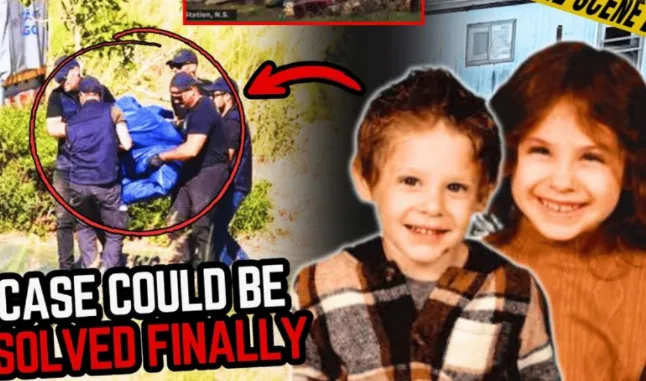
The sudden void of their absence has left a community fractured. Deer Creek volunteers, parents, and friends speak of sleepless nights, replaying the last known movements, the last phone calls, the last meals shared. Every sunrise is shadowed by the memory of the day the children vanished. Every sound of a child’s laughter is a reminder of what is missing.
Public discourse is divided. Some argue for theories of accidental wandering, citing the children’s curiosity and the woods that border their home. Others whisper about foul play, uneasy about the absence of sightings and the unanswered questions. Social media divides opinions further, blending speculation with fact, grief with conjecture.
Amid the chaos, the family endures. Malehya Brooks-Murray, wracked with grief, continues to plead for any information that might lead to her children. Daniel Martell works with investigators, insisting on transparency and wide-ranging searches. Belynda Gray faces each day with a quiet agony that only a grandparent losing grandchildren can understand. Their grief is compounded by months of public scrutiny and relentless speculation, yet they remain steadfast, holding onto hope that is both fragile and vital.
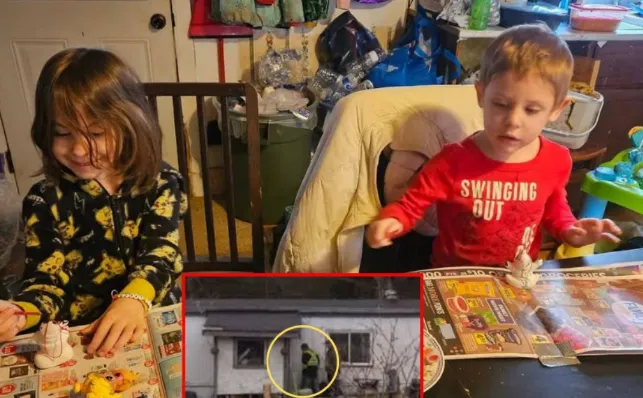
As authorities work to verify the new leads, they urge the public to refrain from spreading unconfirmed information. Tips must go directly to the Northeast Nova RCMP Major Crime Unit
, the people who can investigate, analyze, and act. For those following the case, this is a reminder: rumor can be dangerous. Facts can be life-saving.
The disappearance of Lilly and Jack is more than a missing persons case. It is a lens through which the fragility of childhood, the strength of community, and the weight of parental love are vividly seen. It is a story of quiet courage: families navigating unimaginable uncertainty, neighbors devoting themselves to search after search, authorities working tirelessly to bring clarity where there is chaos.
For over seven months, Lansdowne Station has been haunted by absence. Every trail searched, every lead investigated, every piece of evidence analyzed is a testament to a community unwilling to forget its children. The woods bordering the Sullivan home are silent witnesses to a mystery that refuses to yield its secrets, and every sunrise is both a reminder of loss and a call to persist.

If the rumored breakthrough proves valid, it could mark the turning point the community has been waiting for. It could offer closure, or at the very least, clarity. It could honor the memory of Lilly and Jack in the most meaningful way: by bringing the answers their loved ones deserve.
Until then, the nation watches, waits, and hopes. Social media chatter, news headlines, and public speculation all speak to one thing: the hearts of Canadians are tethered to this story, aching for the safe return of two innocent lives, and mourning the months lost without them.
Lilly and Jack’s disappearance is not only a case file or a news story—it is a lived experience of grief, of suspense, of community striving for answers. It reminds us that even in an age of surveillance, technology, and global connectivity, children can vanish, and the families left behind must navigate the long, dark hours of uncertainty and fear.
For their family, every day is measured in fragments of hope: the call of a volunteer, the sighting of a stray piece of clothing, a tip that might finally break the case open. Every day is weighed with questions: Where are Lilly and Jack? Are they safe? Will they ever come home?
As Canada holds its breath, the truth remains elusive, yet the determination does not falter. Communities continue to search, to advocate, to keep the memory of Lilly and Jack alive. Every candle lit, every sign posted, every plea made to authorities is a reminder that love and attention do not fade, even in the face of months of silence.
The story of Lilly and Jack Sullivan is a testament to resilience: of family, of neighbors, of an entire community refusing to let two small lives vanish without acknowledgment. It is a story of heartbreak, of hope, and of an unwavering belief that answers are still possible.
Whether the rumored breakthrough turns out to be significant or another false lead, one truth remains: Lilly and Jack are loved, remembered, and fought for. Their faces, their laughter, their presence are etched into the hearts of all who wait for them, and their disappearance has left an indelible mark on Canada, a nation united in concern for two children who vanished without a trace.
As investigations continue, authorities urge calm, patience, and vigilance. And for the families, the volunteers, and the wider community, the days remain long and uncertain, but hope — that fragile, unyielding hope — persists, waiting for the day Lilly and Jack’s story can finally be told in full.

Six Years Strong: Quinn’s Heartiversary and the Journey of a Brave Little Boy
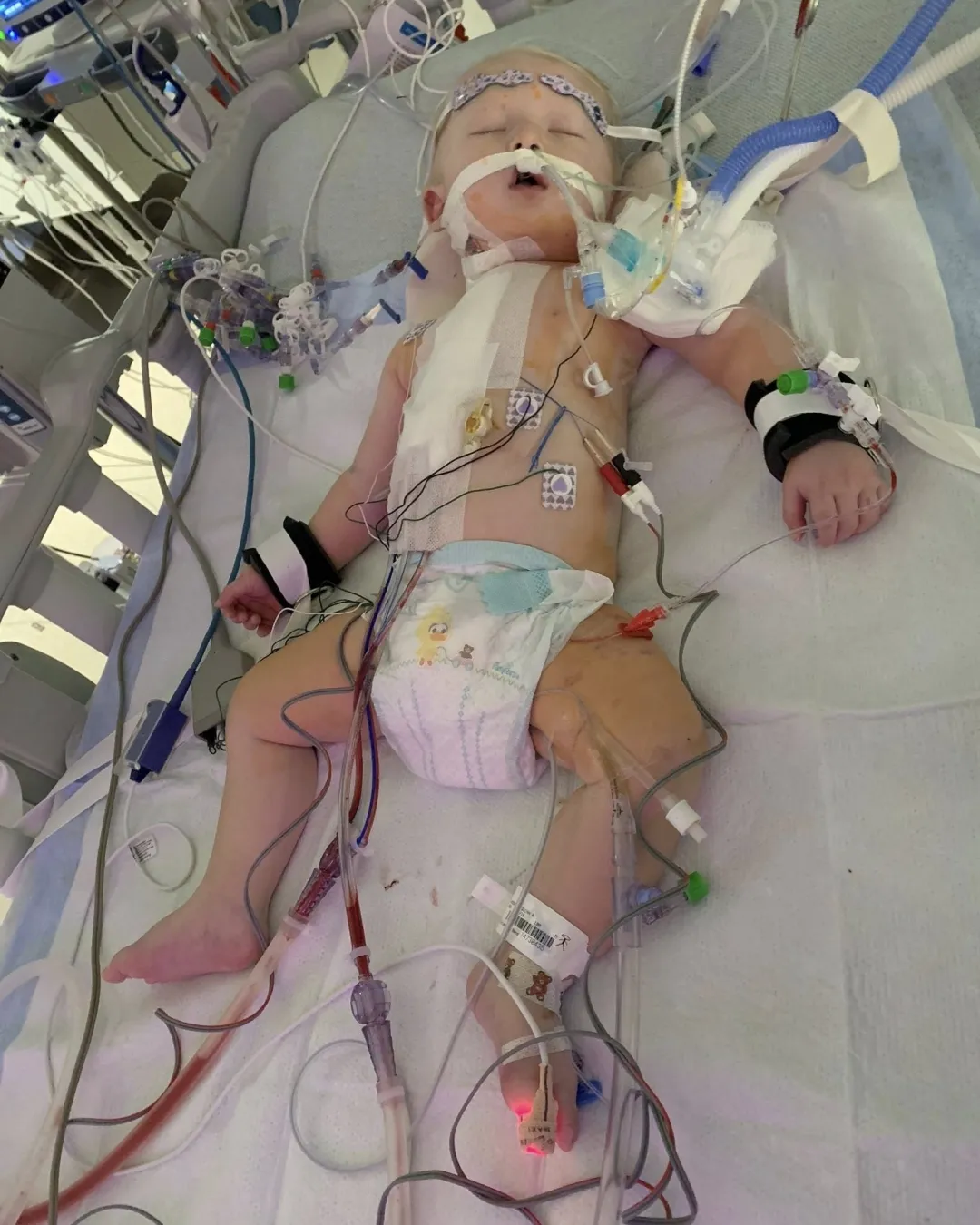
Six years ago, a tiny boy lay on an operating table, his chest opened by skilled surgeons who worked tirelessly to give him the one thing every child deserves: the chance to live. That day marked the beginning of Quinn’s membership in what parents of heart warriors call the “zipper club”—a community of children whose lives have been forever shaped, and saved, by open-heart surgery.
Today, Quinn and his family celebrate his 6th heartiversary, a milestone that is as emotional as it is extraordinary. For his mother, it is a day to pause, reflect, and give thanks for the gift of six years filled with challenges, triumphs, and growth.
“Six years ago today, Quinn had his very first open-heart surgery,” she shared. “Since then, he has overcome so much and grown in so many ways. I am so incredibly proud of the little boy he’s become, and I’m blessed to be his mama.”
The scars on Quinn’s chest tell a story that words cannot fully capture. For most, they are simply lines on skin. For his family, they are reminders of sleepless nights in hospital chairs, whispered prayers outside operating rooms, and the unshakable hope that carried them through. Each stitch, each mark, is a testament to survival, to the strength of a child who has faced more before school age than many do in a lifetime.
But the story of a heartiversary is not only about medical procedures. It is about resilience. Quinn has not only survived—he has thrived. He has learned, laughed, played, and grown, refusing to let his medical journey define who he is. His heart, once so fragile, has grown stronger, and with it has grown his spirit: playful, determined, and full of life.
For his mother, the pride runs deep. Every milestone—first steps, first words, first days of school—has carried an extra weight. They are victories magnified by the memory of the day when even a future was uncertain. To watch Quinn grow into the boy he is today is to watch a miracle unfold slowly, day by day.
Families of children with congenital heart defects know well that the journey is never truly over. Heartiversaries are both celebrations and reminders—of the fragility of life, of the strength it takes to endure, and of the gratitude that comes with each passing year. Quinn may one day face more procedures, more challenges, but for today, the focus is on how far he has come.
The zipper club is not one anyone wishes to join. Yet within it lies a bond of fierce love, advocacy, and solidarity. Parents and children alike share stories of courage, swap updates, and stand together in the face of the unknown. Quinn’s journey is now a part of that wider story—a reminder to other families that there is hope, that children can endure, and that joy can be found even in the hardest of paths.
For those outside the world of pediatric heart surgery, it may be hard to grasp what this anniversary means. But for Quinn’s family, it is everything. It is the memory of fear transformed into gratitude. It is the proof of prayers answered and battles fought. It is a day to look at a little boy running, laughing, and growing, and to remember the tiny baby who once lay fighting for his life.
As Quinn blows out the candles on his sixth heartiversary, he does so with a heart that has endured the unimaginable and continues to beat strong. His journey has made him more than a patient—it has made him a fighter, a survivor, and an inspiration to everyone who knows him.
And for his mother, there is one truth that matters above all: Quinn is here. He is alive, thriving, and loved beyond measure. That is the greatest gift of all.


