
Injured and on the Bench, Caitlin Clark Took Over Chicago and Answered Her Rival Without Saying a Word
The atmosphere in Chicago was electric. It was “Barbie Night,” a themed event that added an extra layer of buzz to an already highly anticipated matchup between the hometown Chicago Sky and the visiting Indiana Fever. Fans filled the arena, expecting a fierce battle between two teams led by the sport’s most compelling young rivals. But then came the news that landed like a thud, momentarily sucking the air out of the building: Caitlin Clark, the Fever’s sensational rookie, would not be playing due to an injury. For many, it felt like the main event had been canceled. Little did they know, Clark was about to put on a different kind of show—one that would dominate conversations and arguably make a louder statement than any basket she could have scored.
Even without her uniform on, all eyes were on Clark. Before the game, she emerged onto the court’s perimeter and began a marathon session of fan interaction that was nothing short of extraordinary. For over 20 minutes, she methodically made her way around nearly two-thirds of the arena, a pen in her hand and a patient smile on her face. She signed everything put in front of her: jerseys, basketballs, posters, and even simple pieces of paper. Announcers later confirmed the staggering number—she signed well over 200 autographs.
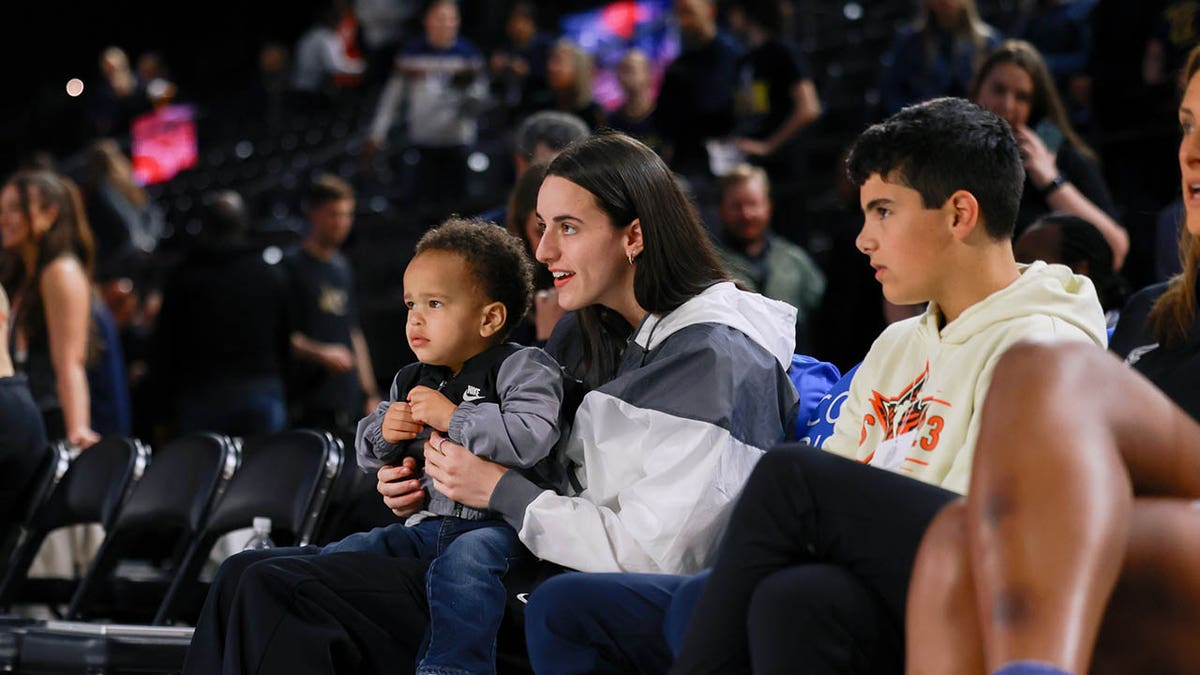
This wasn’t just a handful of fans; it was a pilgrimage. What became startlingly clear was that the crowd wasn’t just made up of Sky supporters. A vast, visible contingent of the audience was decked out in Indiana Fever gear, with Clark’s number 22 proudly displayed. They had bought tickets to an away game on the chance, and perhaps the hope, of just witnessing her in person. Her injury didn’t deter them; it simply changed the nature of their mission. They came to see a phenomenon, and a phenomenon is what they got. The scene was almost surreal, prompting commentators to draw parallels to Beatlemania. Here was an athlete, so popular and so magnetic, that her mere presence was enough to create a spectacle. She wasn’t just a player; she was an event.
This display of star power took on a new, more pointed meaning in the context of her rivalry with Chicago’s own Angel Reese. Social media was quick to resurrect a now-famous tweet from Reese: “Walk in your trap. Take over your trap.” The phrase, a bold declaration of dominance on an opponent’s home court, has become a rallying cry for her supporters. Yet, on this night, fans co-opted the slogan and turned it on its head.
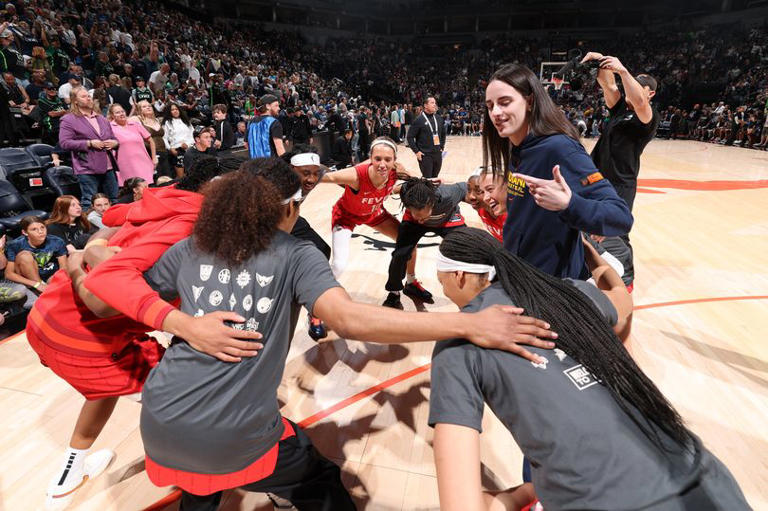
The irony was thick. Clark, unable to “take over the trap” through her play, had seemingly done so through sheer influence. Online, the narrative caught fire. Posts declaring “Caitlin Clark took over Angel Reese’s trap” went viral. The visual was undeniable: in Reese’s arena, on a night she was playing, a significant portion of the crowd was clamoring for the injured star on the opposing team. Clark’s actions, though likely born from a genuine appreciation for her fans, were interpreted as the ultimate, silent checkmate. She didn’t need to score a single point to own the building. Her quiet, 20-minute tour of the stands spoke louder than any trash talk ever could.
This moment did more than just fuel a rivalry; it offered a clear window into how Clark perceives her role in the sport. There’s a palpable understanding that her responsibilities extend far beyond the box score. Whether she sought it out or not, she has become the face of the WNBA, and with that title comes the burden and privilege of growing the game. Signing autographs for an army of young, adoring fans is perhaps the most direct way to do that. She is planting seeds of loyalty, creating core memories for a generation of future players and supporters.

It presents a masterclass in handling modern sports stardom. While some athletes might have stayed in the locker room, nursing an injury and avoiding the commotion, Clark leaned in. She recognized that hundreds of people paid to see her, and if she couldn’t give them a show with her skills, she would give them a memory with her time. It was a gesture of goodwill that doubled as an incredible display of power.
This dedication to her public-facing role has cemented her as a role model for many, despite the on-court intensity and occasional emotional outbursts that critics point to. There’s a clear separation between the fierce competitor between the lines and the gracious ambassador off the court. She seems to have accepted that every action, big or small, will be scrutinized and amplified. By choosing to spend her pre-game time connecting with fans, she actively shaped the narrative, ensuring that even in her absence from the game, she remained central to its story.
As the night ended, the outcome of the basketball game almost felt like a footnote. The bigger story was written on the sidelines. Caitlin Clark came to Chicago, couldn’t play, and still managed to be the biggest star in the building. She walked into her rival’s house and, without taking a single shot, took it over. It was a powerful reminder that in the world of sports, influence is a currency all its own, and right now, no one is wealthier than Caitlin Clark.


